Have you ever found yourself in a situation where you needed to organize data in a systematic way? Arrays are a powerful tool that can help you represent and work with collections of data efficiently.
Whether you are a beginner or an experienced programmer, understanding how to use arrays can greatly enhance your coding skills. Let’s dive into how arrays can be used to represent different situations and solve various problems.
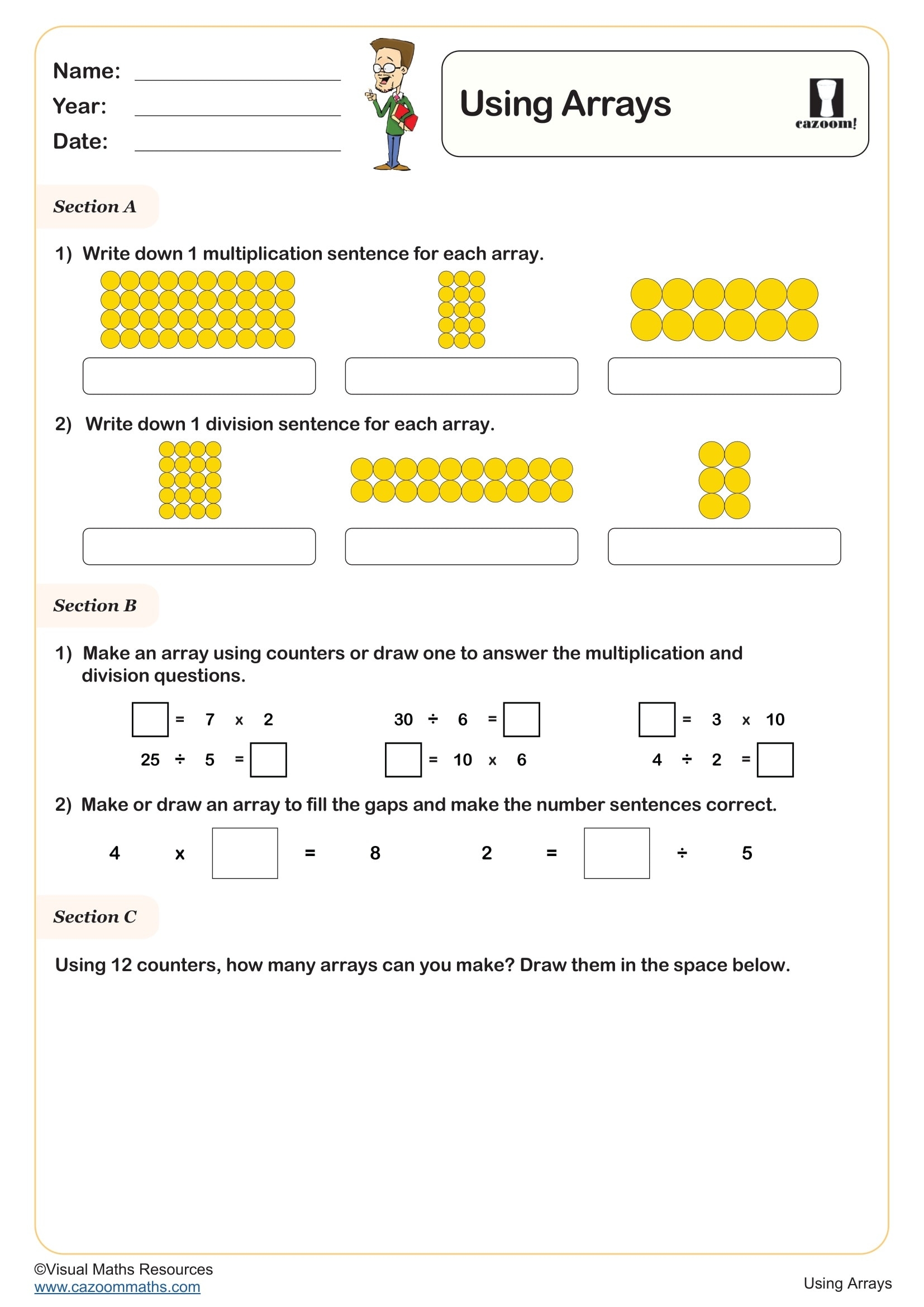
representing situations with arrays
Representing Situations with Arrays
Arrays can be used to store a list of numbers, strings, or even objects. For example, you can use an array to keep track of students’ grades in a class, store the names of all the employees in a company, or represent a deck of playing cards.
One common use case for arrays is to represent a collection of items that need to be processed or manipulated in a specific order. By using arrays, you can easily access, modify, or iterate over each element in the collection, making your code more efficient and organized.
Another situation where arrays come in handy is when you need to store data that is related to each other. For instance, you can use a two-dimensional array to represent a grid of cells in a game, store a list of coordinates in a mapping application, or keep track of the inventory in a store.
Overall, arrays are a versatile and essential tool in programming that can help you tackle a wide range of problems. By mastering the use of arrays, you can become a more efficient and effective coder, no matter what programming language you are working with.
Next time you find yourself in a situation where you need to organize or manipulate a collection of data, remember the power of arrays and how they can help you simplify your coding tasks. Happy coding!
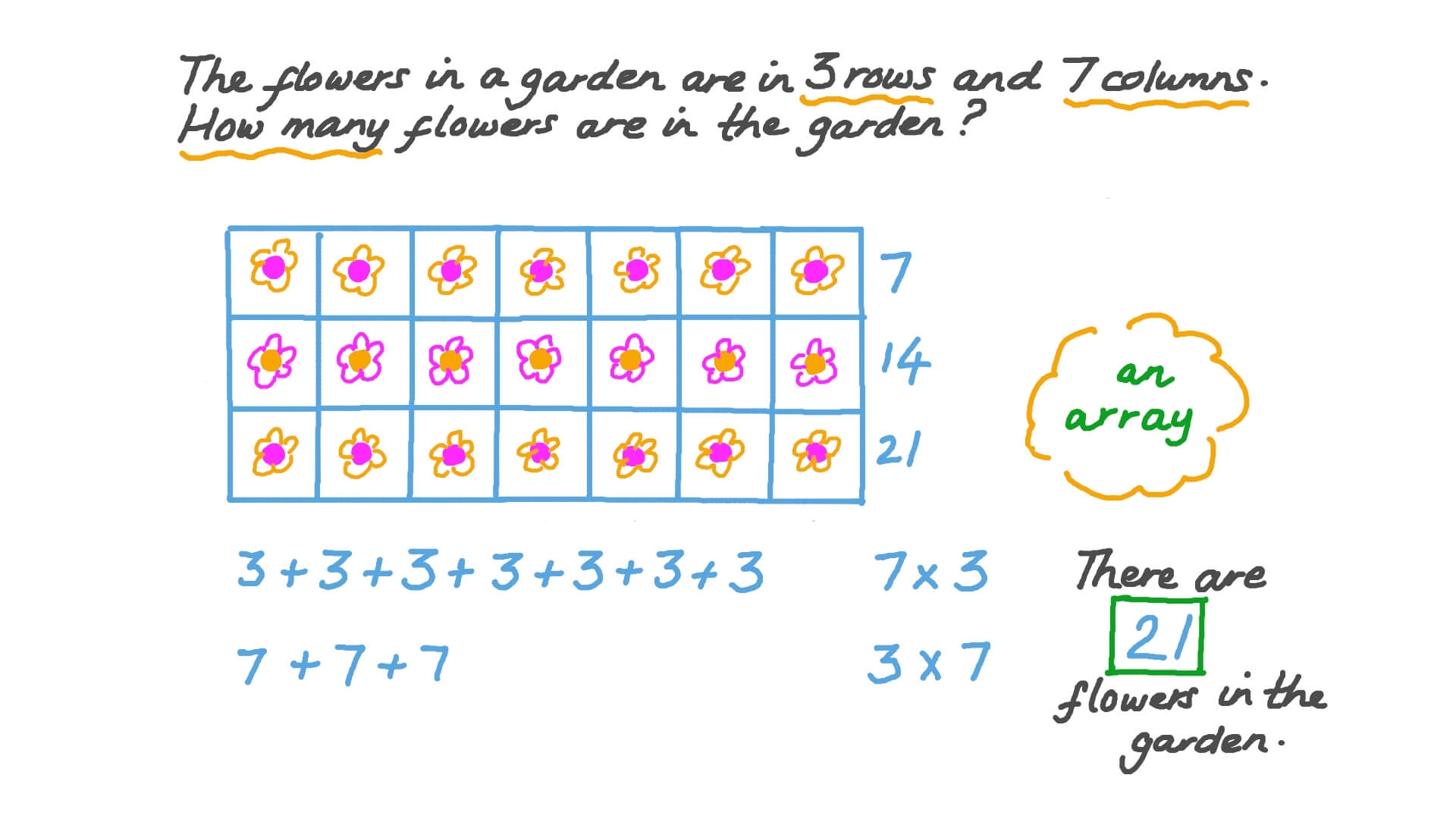
Question Video Solving Multiplication Word Problem In Situations Involving Arrays Nagwa
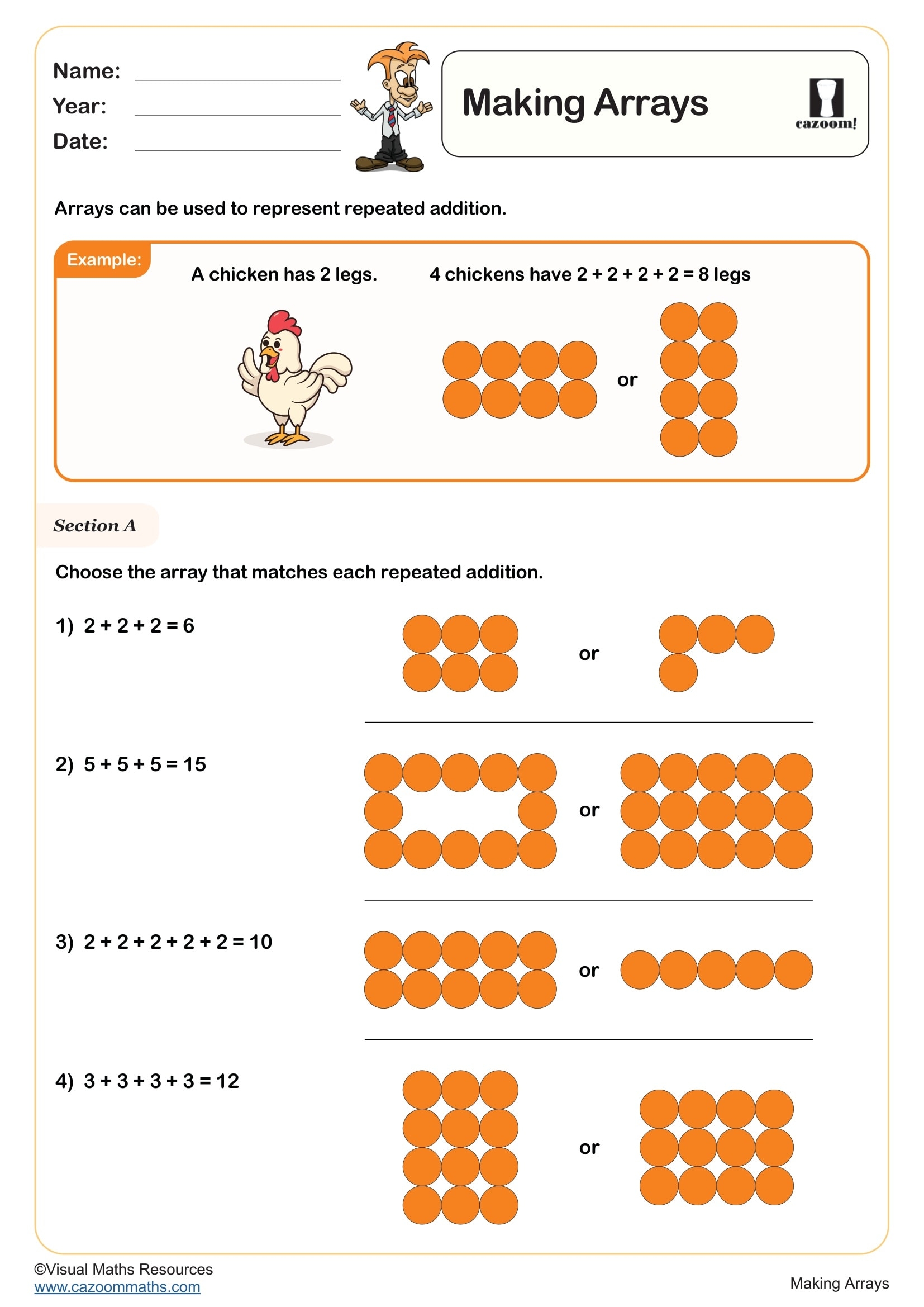
Array Worksheets Printable PDF Maths Worksheets
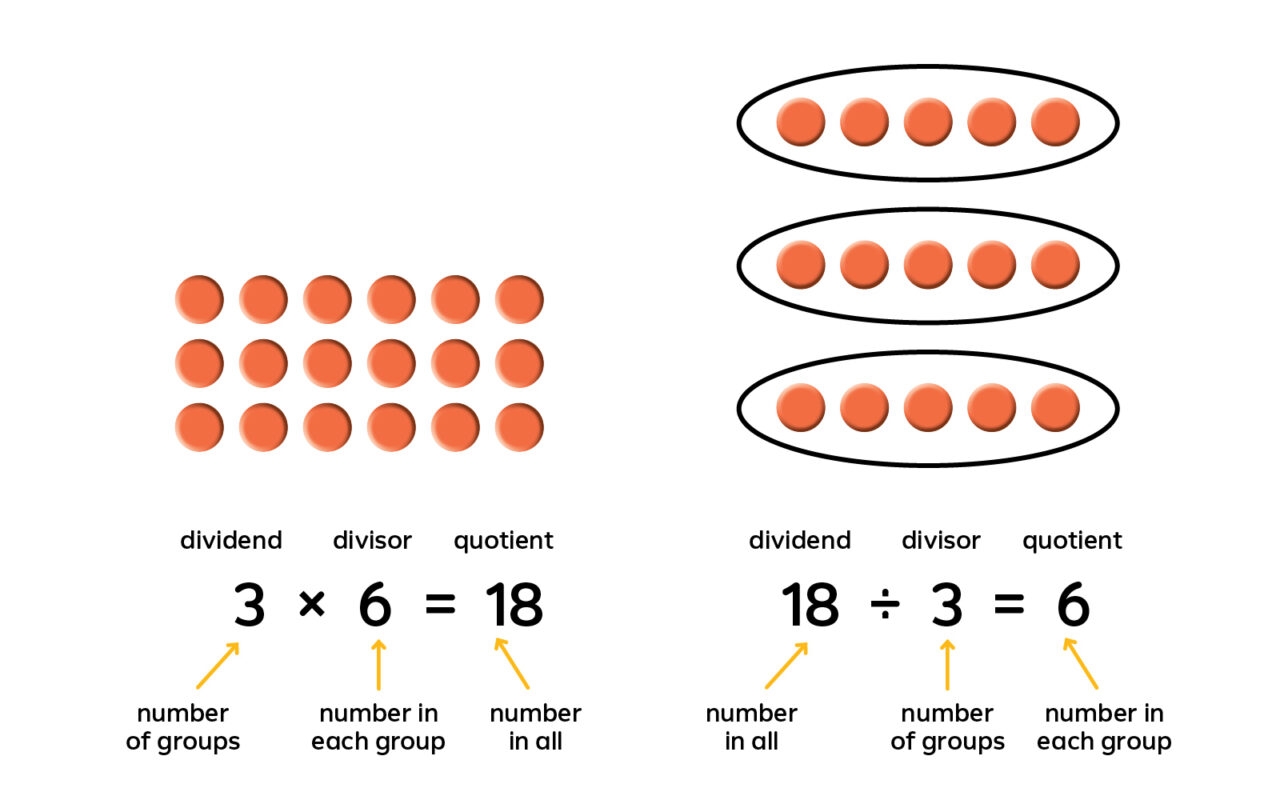
Teaching Multiplication Division Relationship Using Arrays HMH
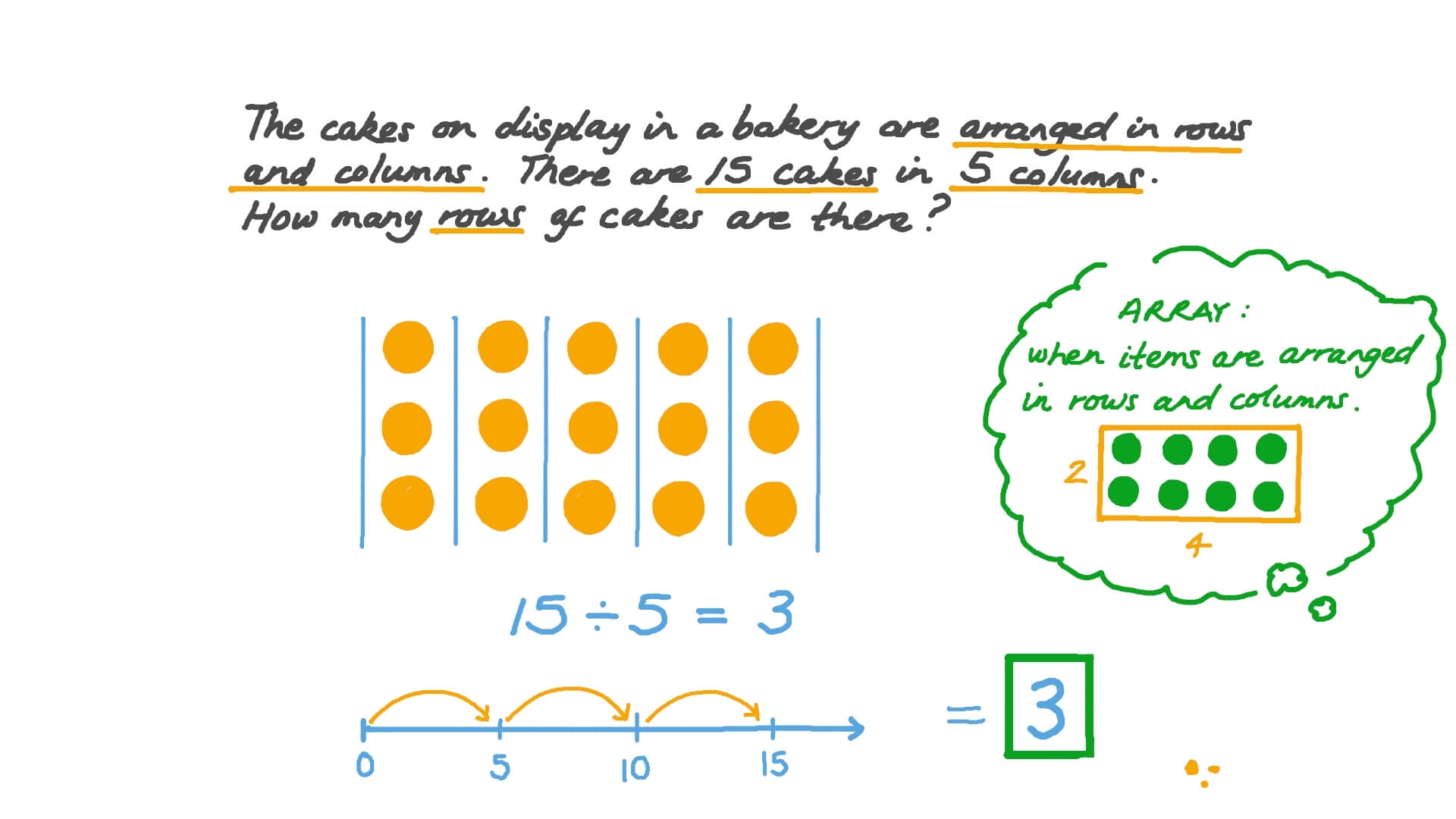
Question Video Solving Division Word Problem In Situations Involving Arrays Nagwa