Do you remember learning about homophones in school? These tricky words sound the same but have different meanings and spellings. For second graders, understanding homophones can be a fun challenge that improves their vocabulary and language skills.
Homophones are pairs of words that sound alike but are spelled differently. Common examples include “to,” “too,” and “two.” For young learners, recognizing and using homophones correctly can enhance their writing and communication abilities.
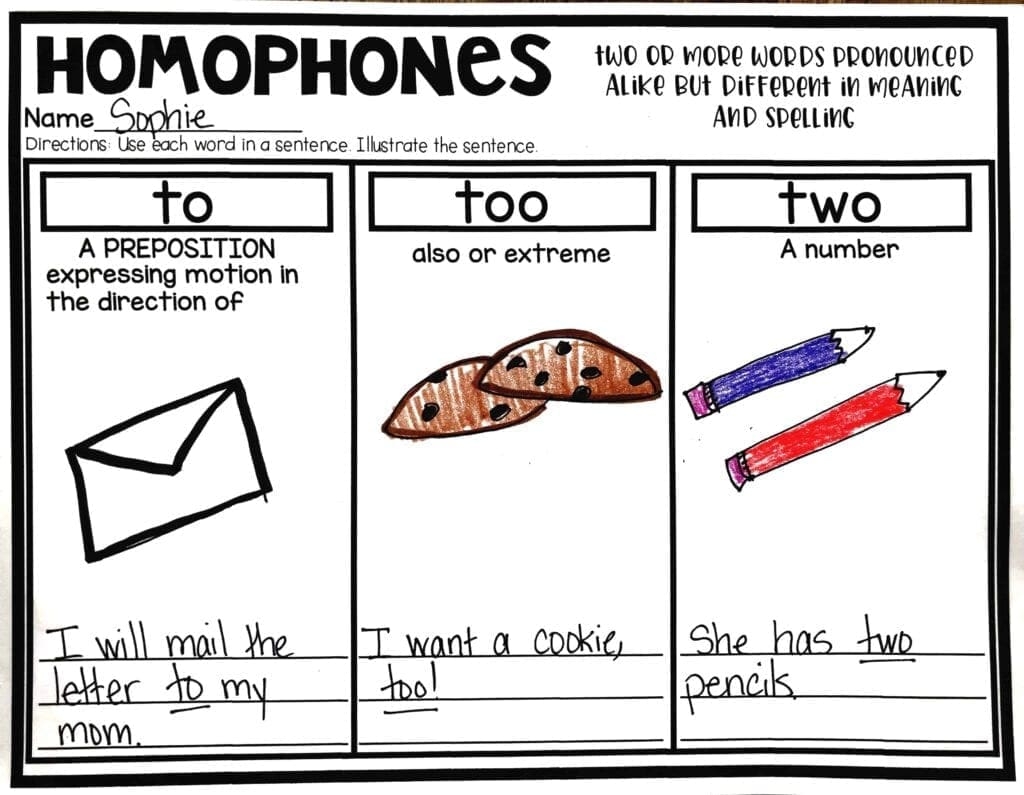
homophones for second graders
Homophones for Second Graders
One way to introduce homophones to second graders is through engaging activities like word games and puzzles. By making learning fun and interactive, children can grasp the concept of homophones more easily and remember them effectively.
Teachers can incorporate homophone worksheets and exercises into their lessons to reinforce the understanding of these words. Through repetition and practice, second graders can become confident in using homophones correctly in their writing and conversations.
Encouraging students to create sentences using homophones can also help solidify their comprehension. By applying these words in context, children can see how homophones work in real-life situations, making learning more practical and meaningful.
Overall, teaching homophones to second graders is a valuable skill that can benefit them throughout their academic journey. By mastering these tricky words early on, children can improve their language skills and become more effective communicators in the future.
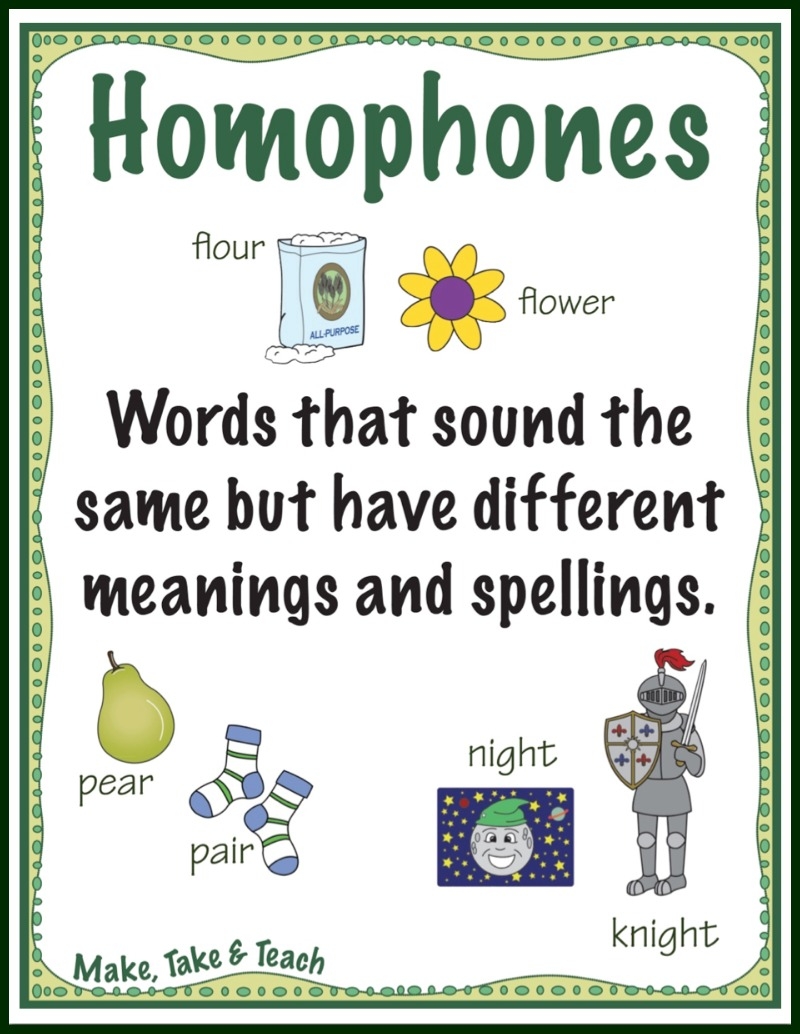
Teaching Homophones Blog MakeTakeTeach
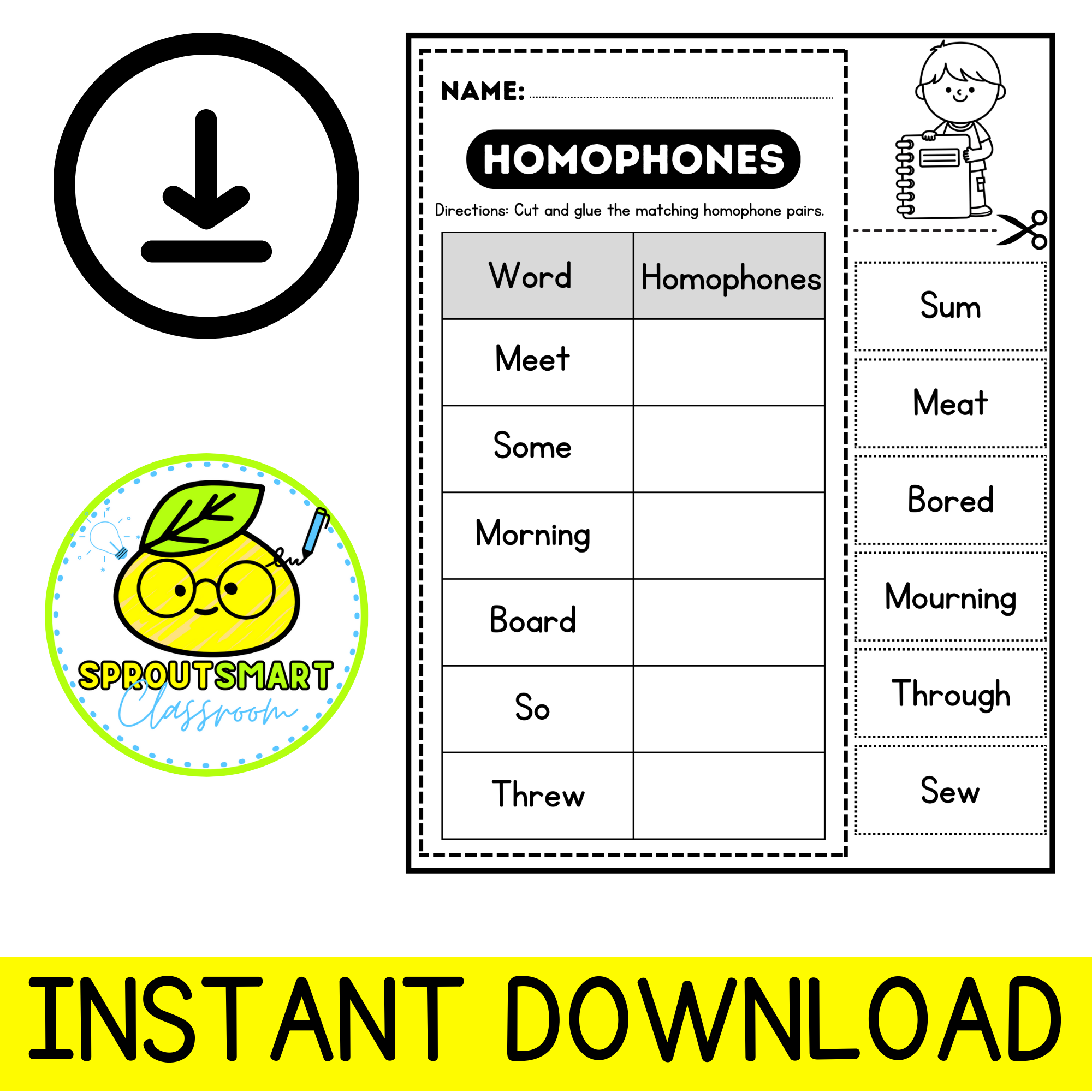
Homophones Cut And Paste Fun Activity Grammar Worksheets 1st And 2nd Grade Made By Teachers
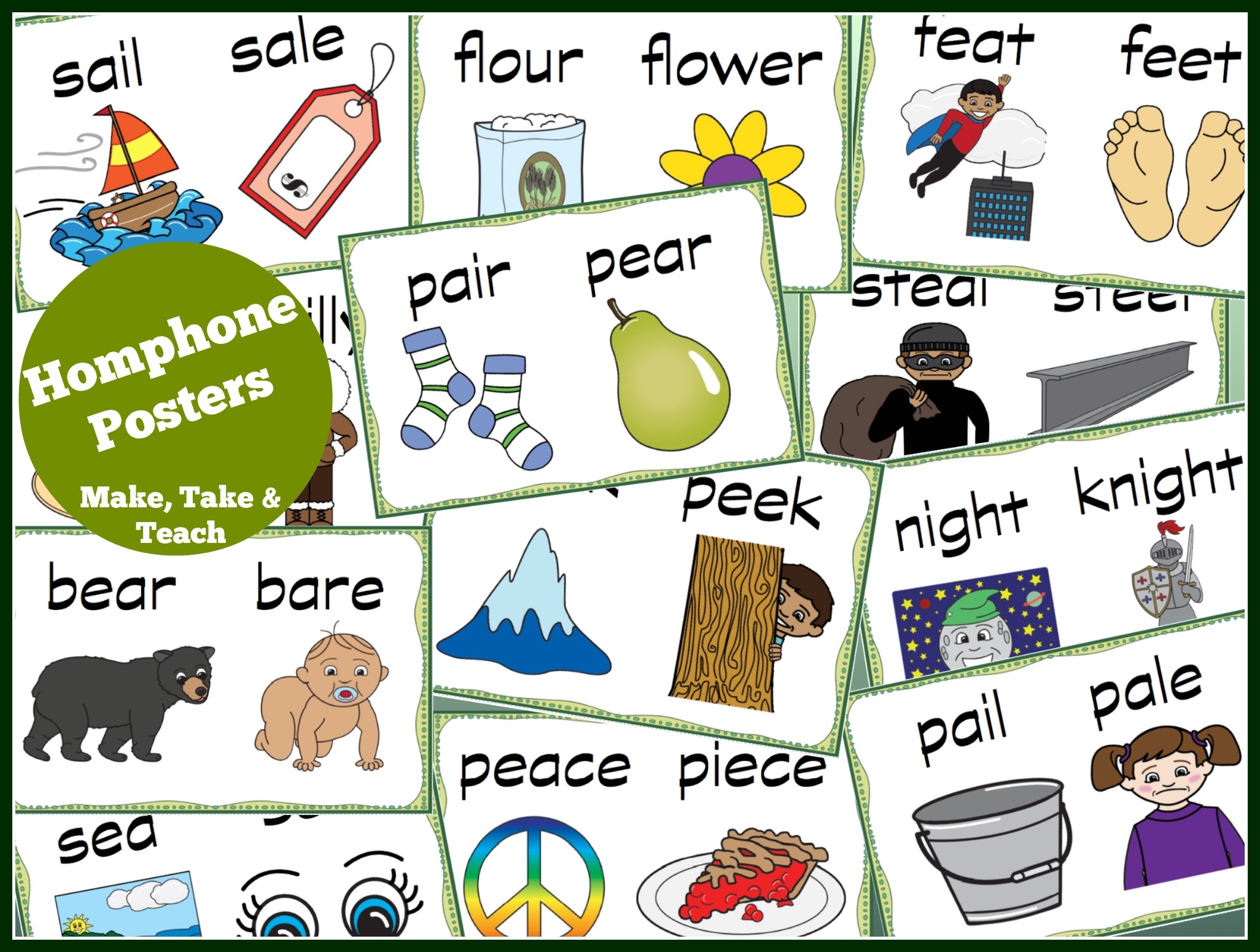
Teaching Homophones Blog MakeTakeTeach
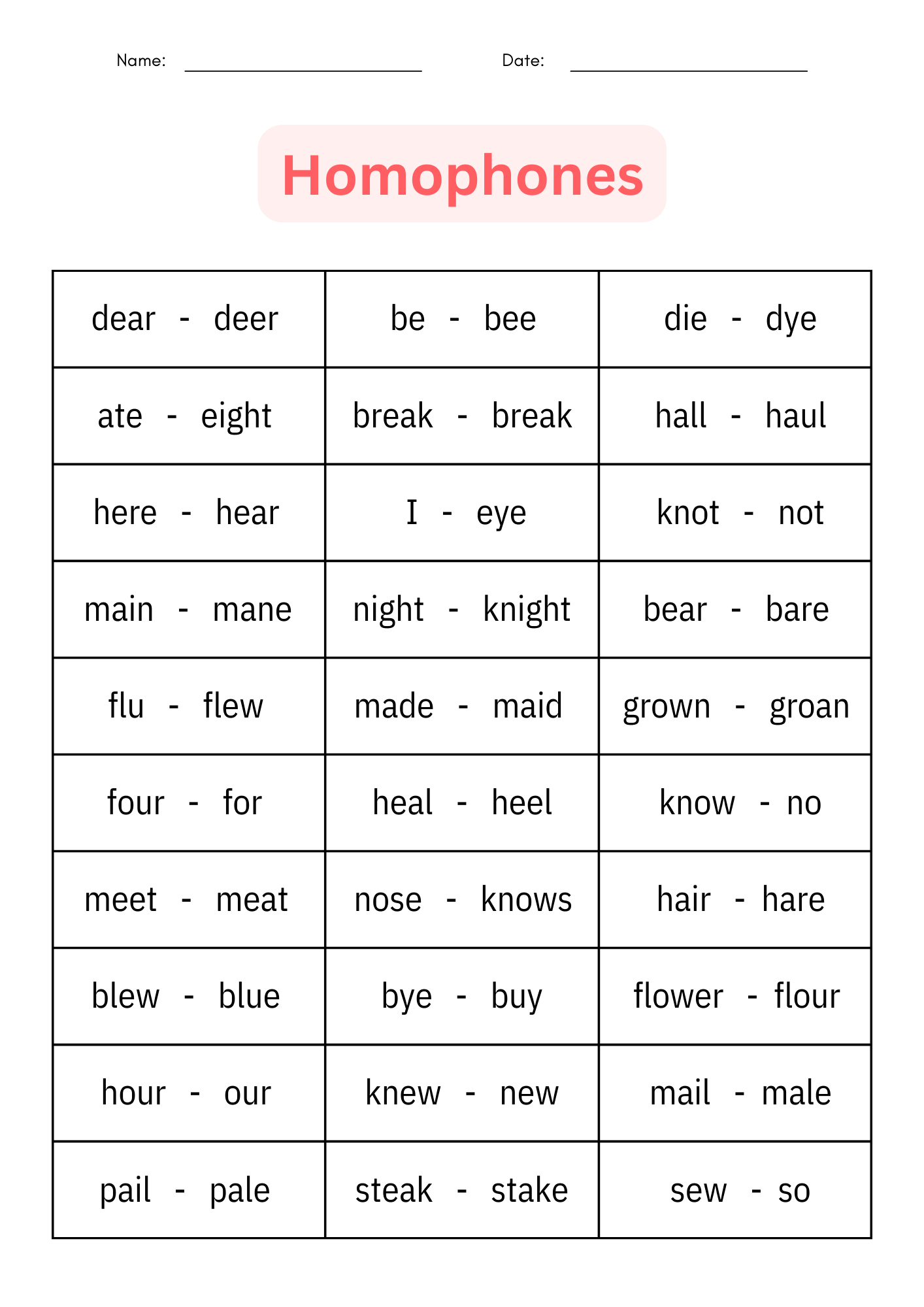
Homophones Grammar Worksheets And Activities For 2nd 3rd And 4th Grade Made By Teachers